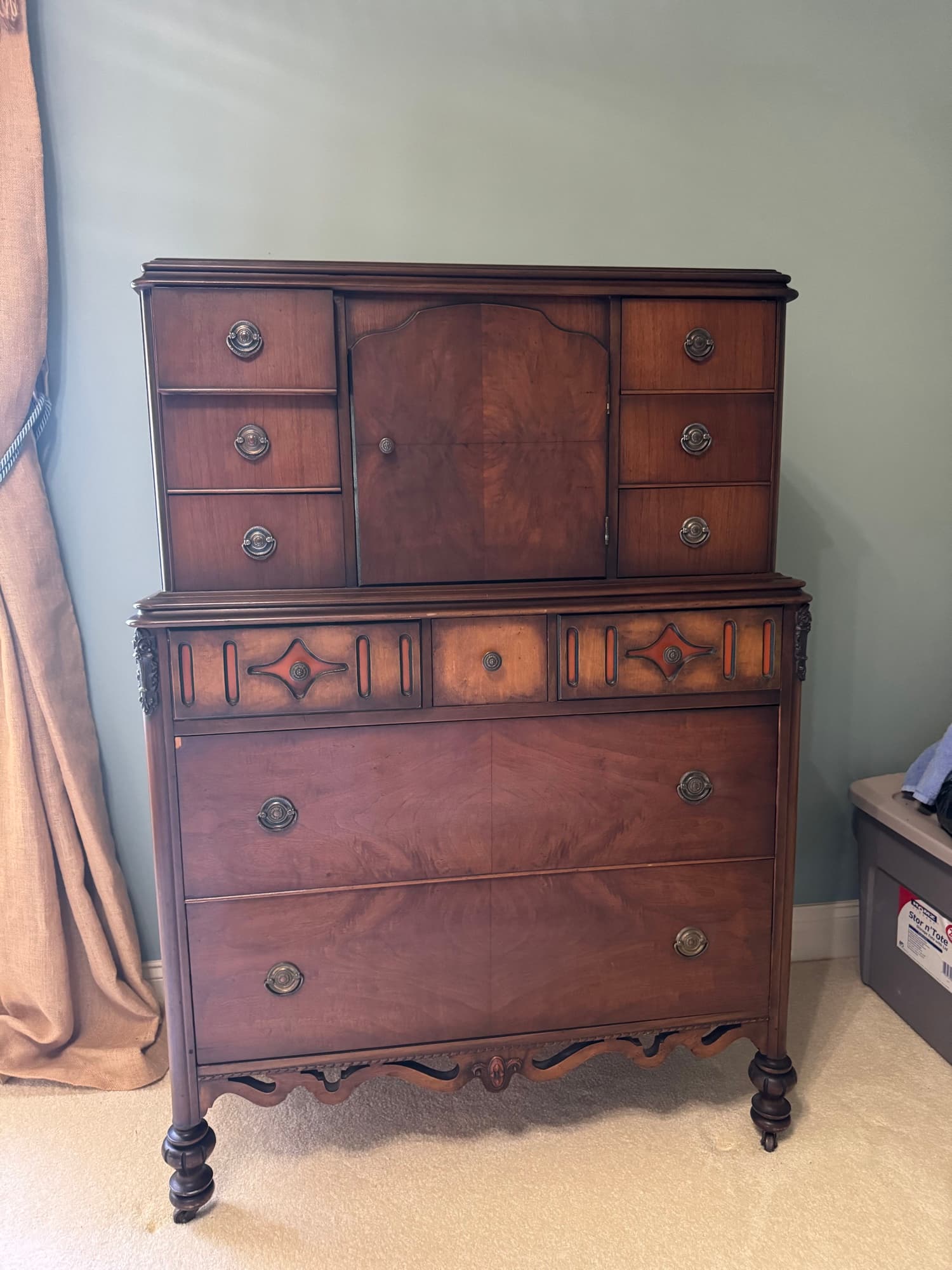
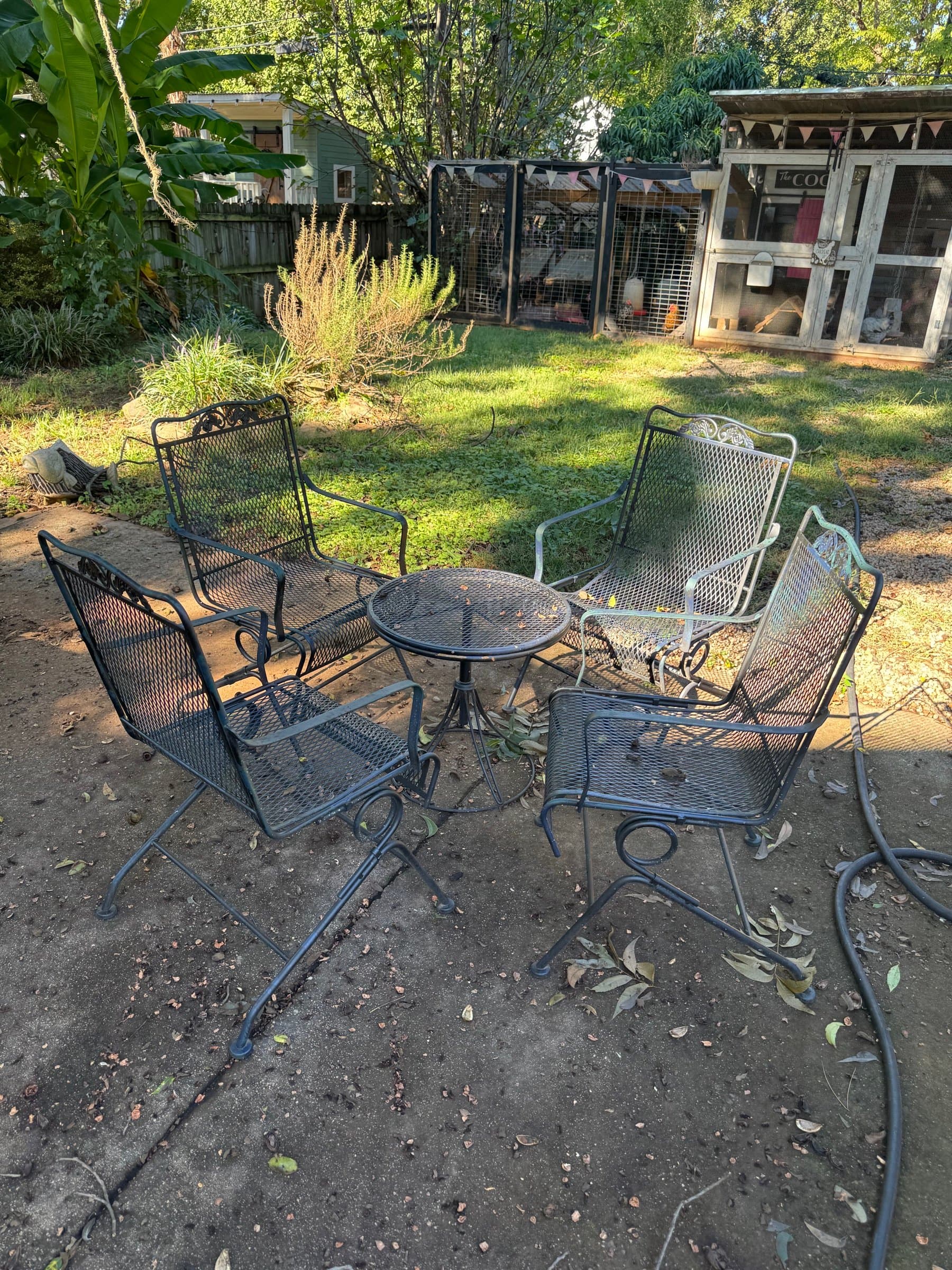
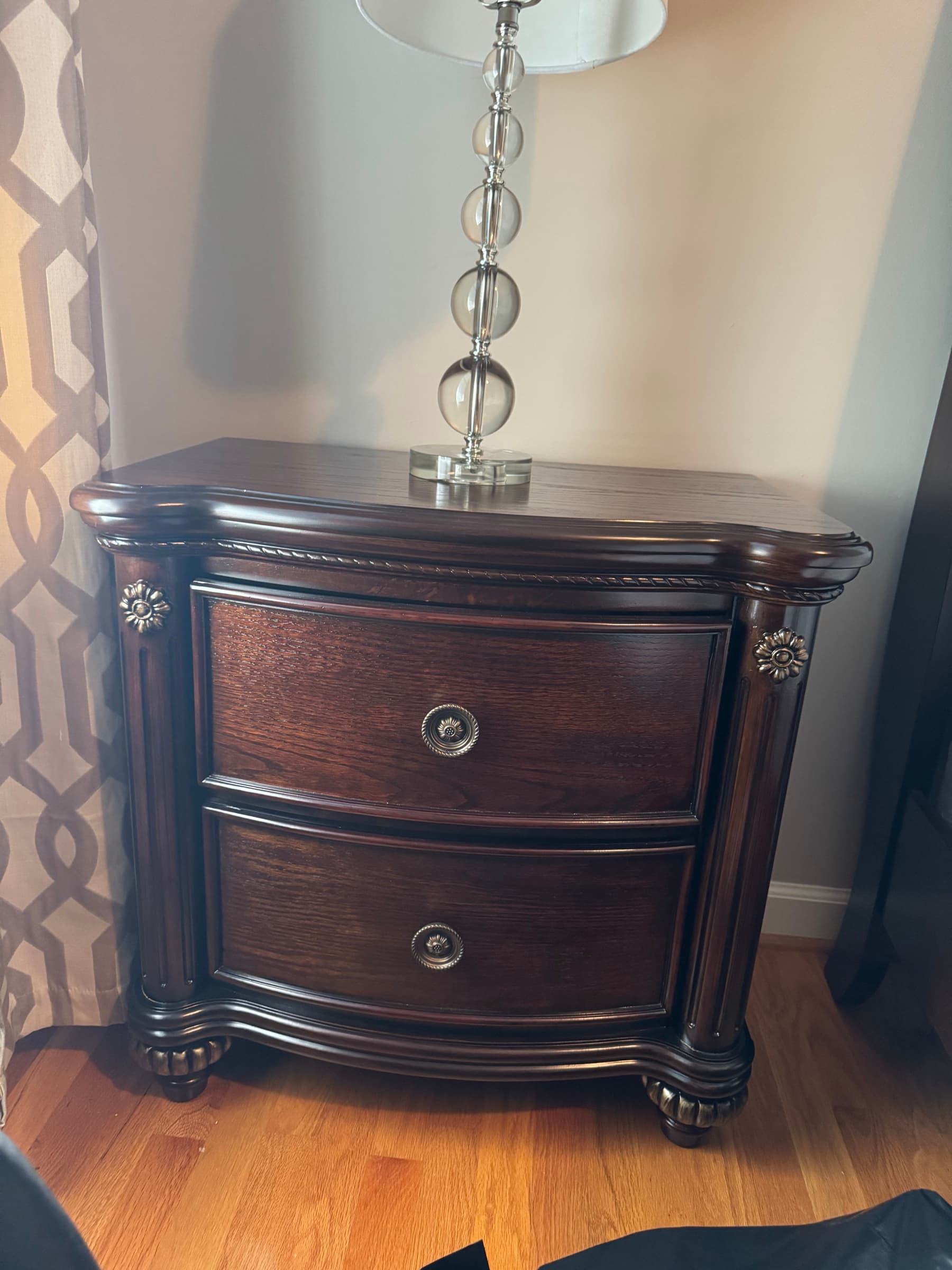
Being named executor usually arrives at the worst possible time, with a to-do list nobody hands you. Somewhere on it, between the death certificates and the bank, is the house and everything in it. You cannot list the property until it is empty, and you should not empty it until you know what is worth something.
Start with this: do not throw anything away and do not let anyone sort the house before it has been looked at properly. Sorting first is how valuable things end up in a donation bag. Leave it as it is, change the locks if you need to, and get an inventory done.
That inventory is what we do. We walk the house with you or whoever has the key, photograph every lot that carries value, and give each one a practical resale range. You get a written report you can use for the court inventory, share with the heirs, and use to decide what happens next. Anything that needs a credentialed appraiser is flagged, not guessed.
Then you choose. Keep the report and do the rest yourself, divide items among the family, or have us sell what is worth selling, donate what is not, and hand the house back broom-clean. You approve every price, and every sale shows up on an itemized statement.
What usually turns out to be worth something.
It is rarely what the family expects. On a Harrisburg estate we valued this month, two pieces of equipment in the outbuildings carried about two thirds of the whole figure, and only three pieces inside the house cleared a hundred dollars on their own. Every house sorts into the same groups:
1.Sells on its own
Quality furniture, tools and equipment, art, collectibles, electronics, sterling. Photographed, priced from current sales and listed where it sells best.
2.Sells as a lot
Groups that are worth more together than apart: a bedroom set, a shelf of books, a workbench of hand tools.
3.Needs a specialist
Fine jewelry, a painting with a signature we cannot place, anything a tax return or dispute needs a USPAP appraisal for. Flagged and referred.
4.Donate or clear
Everything else. Donated with itemized receipts where a charity will take it, cleared only after that.
The executor's checklist for the house.
Secure the house and leave it as it is
Lock it, stop the mail, keep the utilities on. Do not let anyone take, sort or throw out anything yet.
Find out what is in it
A photographed inventory of everything that carries value. This is where we come in: a free walkthrough, then a written plan.
Get a realistic value
A practical resale range per lot and low, realistic and high figures for the contents. See how an estate valuation is built.
Set aside what the family keeps
Heirs choose what they want with the inventory in front of them, before anything is listed.
Sell, donate, then clear
What has value is sold on the channels that pay most for it, the rest is donated with receipts, and only what is left is hauled. The house is handed back broom-clean.
Keep the paperwork
Itemized settlement statements and donation receipts for the estate accounting.
When you need a formal appraiser instead.
VaultXL gives practical resale-value guidance and sorts the house: what is worth selling, what is not, and what deserves a closer look. That is the right tool for planning, for dividing things among heirs, and as an itemized basis for the household-contents line of a probate inventory. It is not a formal appraisal, and we will not present it as one.
Use a credentialed appraiser instead when the number has to stand up to the IRS, an insurer or a court: an estate tax return, a charitable deduction, an insurance schedule, a dispute between heirs or any litigation. The same goes for individual items that may be worth a great deal on their own, such as fine jewelry, important art or rare collections, where a formal written opinion of value is appropriate.
When we see one of those situations, we say so in the report and flag the items, and we can refer you to a credentialed appraiser. We do not put a guessed figure on the record for something that needs a formal opinion.
What the family receives.
- ✓A free walkthrough of the house, with you or whoever holds the key
- ✓A photographed inventory of everything that carries value
- ✓A practical resale range per lot, and a realistic figure for the whole house
- ✓Specialist items flagged for a credentialed appraiser
- ✓Your approval on every price before anything is listed
- ✓Itemized settlement statements and donation receipts for the estate accounting
- ✓A broom-clean house, ready for the realtor
Why VaultXL.
Value first, haul last
A junk crew charges to throw things away. We find what is worth money before anything leaves the house.
Numbers you can defend to the family
Ranges come from what the same things are listed and selling for now. That also means we will tell you when something is not worth what everyone hoped.
You stay in charge
Nothing is sold without your approval and nothing an heir has claimed is touched.
You do not have to live here
Many executors run the whole thing by phone and portal from another state. A neighbor or realtor can let us in.
Where we serve.
Helping executors with houses across Charlotte, Myers Park, Dilworth, SouthPark, Ballantyne, Matthews, Mint Hill, Huntersville, Cornelius, Concord, Gastonia, Monroe, Union County and York County SC.
Start with a walkthrough.
A free walkthrough in your home, then a written quote before any work starts.
Frequently asked.
Get them inventoried before anything is sorted, sold or thrown out. With a photographed inventory and realistic values in hand, the family can choose what to keep, and the rest can be sold, donated and cleared with a record of where each thing went.
Usually not for ordinary household goods. North Carolina's Inventory for Decedent's Estate and South Carolina's Inventory and Appraisement ask for fair market value, and executors use our itemized report as the basis for the household-contents line. Estate tax returns, charitable gifts and disputes need a USPAP appraisal, and we flag items that do. Ask your attorney what your county wants attached.
Generally only once you have authority to act, which in North Carolina means your Letters. Your attorney can tell you what applies to your estate. We can walk and inventory the house before then, and hold any sale until you confirm you are clear to sign.
Yes, and it is common. Someone lets us in, you approve prices and follow progress by phone and through a portal, and settlement is paid electronically.
Everything is quoted in writing after a free walkthrough, before any work starts. Selling carries a non-refundable setup fee set in your written quote and a 15% commission on what sells, after sales tax and marketplace fees. The estate keeps 85%. A valuation on its own is quoted separately.
They are donated first, with itemized receipts, and hauled only when no charity will take them. You are told in advance what is unlikely to sell, so nothing is a surprise on the last day.