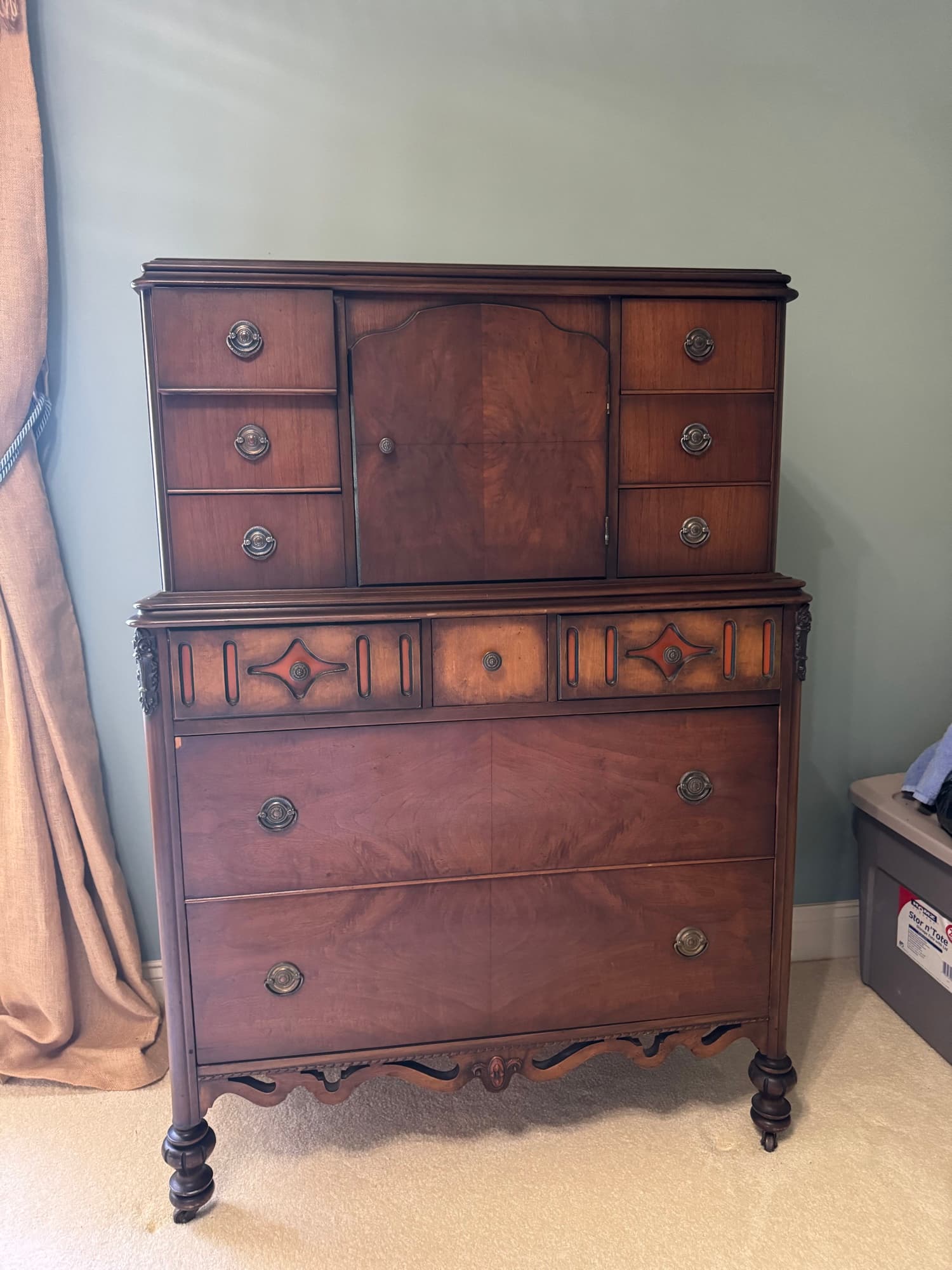
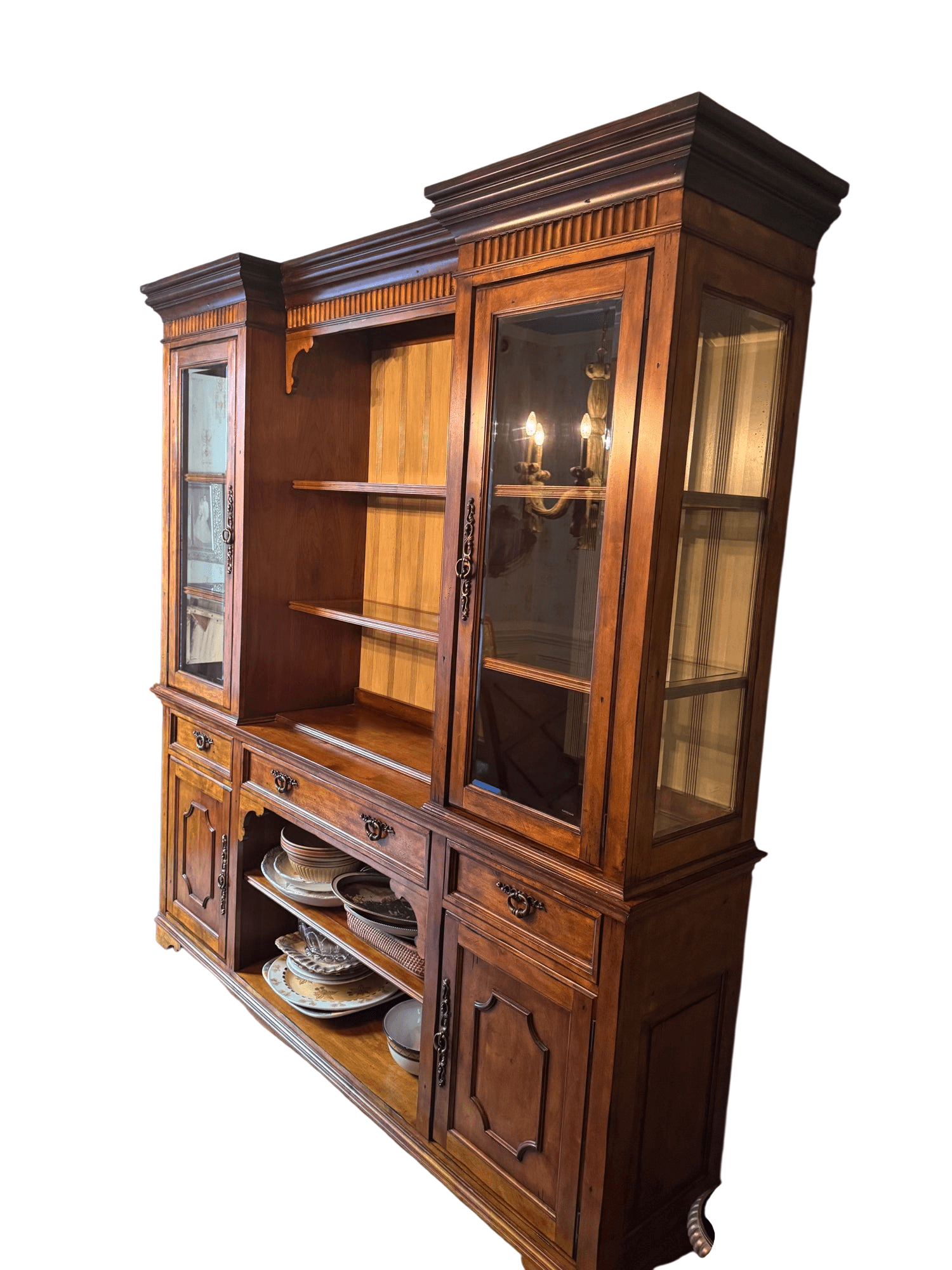
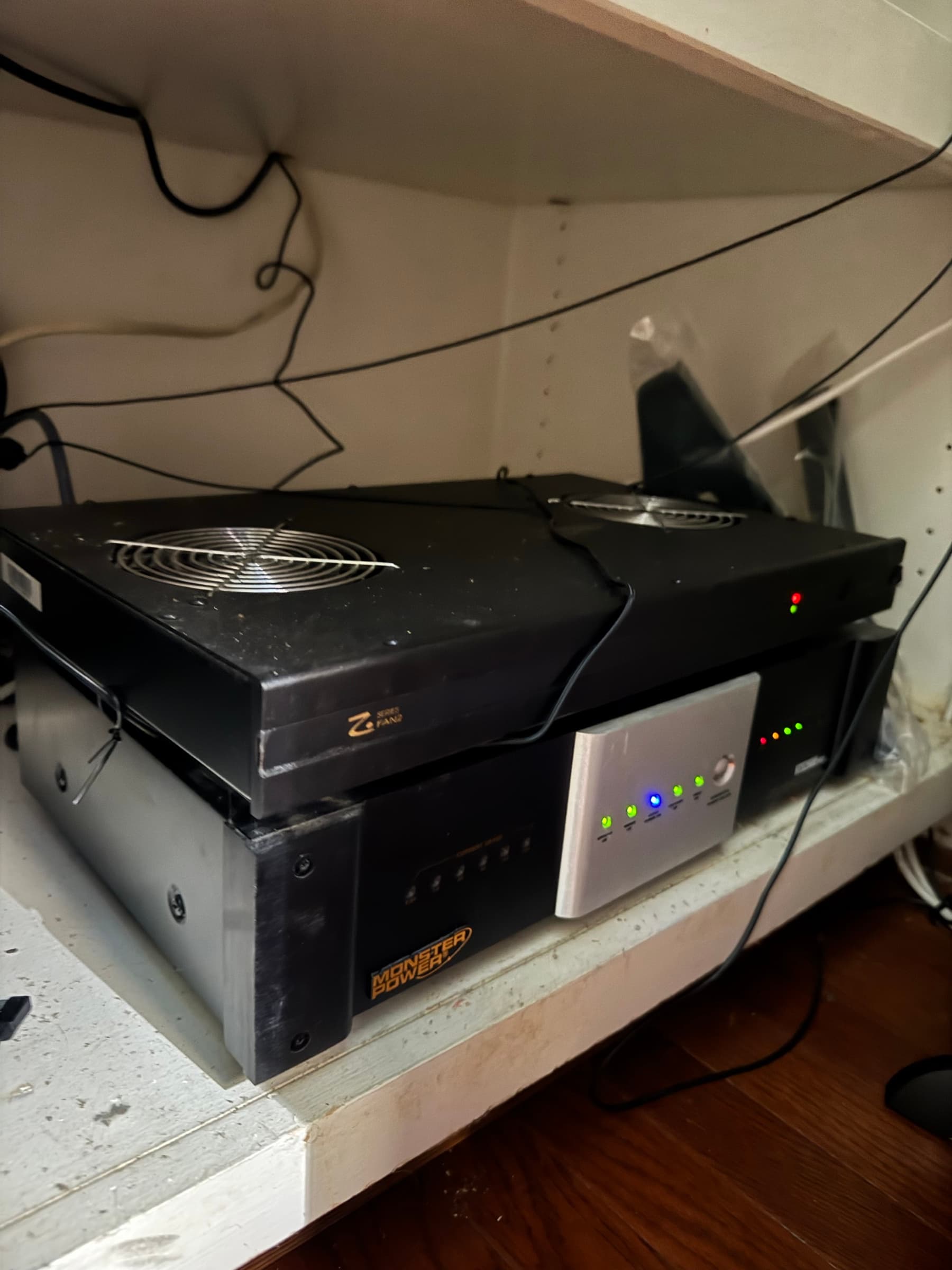
Most estates you open have a house attached, and most of those houses are full. The executor needs to know what is in it, what any of it is worth, and what to do with it, usually while living somewhere else and grieving at the same time. None of that is legal work, and all of it lands on your desk anyway.
VaultXL is the household-contents step. We walk the house with the executor or whoever holds the key, photograph and itemize every lot that carries value, and put a practical resale range on each one. The executor gets a written report they can use for the inventory, for the heirs, and for deciding what to keep, sell, donate or clear.
We are a triage layer, not an appraisal firm. A typical house holds a few hundred objects. Most are ordinary household goods that a credentialed appraiser should not be billing hours to look at. A smaller group is worth selling on its own. A handful may need a specialist. Our job is to sort the house into those groups honestly, so the expensive expert sees only what deserves the expense.
If the executor then wants the contents sold, we do that too: listed on the channels that pay most for each item, every sale itemized on a settlement statement, donations receipted, and the house handed back broom-clean. If they only want the report, that is the end of it.
Triage before a formal appraisal.
Formal appraisers are expensive, and most of a house does not need one. We sort the contents first, so the appraisal budget goes where it matters.
1.Ordinary household goods
Everyday furniture, kitchenware, linens, decor. Grouped honestly in the report, one line for a kitchen's worth of china rather than sixty. Sold as lots, donated with a receipt, or cleared.
2.Worth selling on its own
Pieces with real resale value, each photographed, described and given a practical range from what the same things are listed and selling for now.
3.Flagged for a credentialed appraiser
Fine jewelry, a signed painting we cannot pin down, anything where a tax return or a dispute needs a USPAP appraisal. We flag these and refer out rather than put a guess on the record.
4.Not ours to handle
Firearms go to a licensed dealer, who deals with the executor directly. Papers, photographs and personal effects are left for the family and never valued.
The executor receives the report as a PDF they can forward to you, the heirs or the Clerk. See a worked estate valuation for how the figures are built.
How a referral works.
You pass on our number or this page
Or print the client handout. The executor calls or texts us; you do not need to be involved unless you want to be.
We walk the house
Free, usually the same week, with the executor or whoever holds the key. Out-of-state executors often have a neighbor, realtor or your office let us in.
The executor gets a written plan and quote
What is in the house, what it is likely worth, what needs a specialist, and what selling or clearing it would involve, in writing before any work starts.
The executor decides
Report only, sell through us, or something else entirely. Nothing is sold or removed without the executor's written authority, and nothing contested is touched.
Everything is documented
Every item sold appears on an itemized settlement statement. Donations come with receipts. We report to the executor, or to you as well if the executor asks.
When you need a formal appraiser instead.
VaultXL gives practical resale-value guidance and sorts the house: what is worth selling, what is not, and what deserves a closer look. That is the right tool for planning, for dividing things among heirs, and as an itemized basis for the household-contents line of a probate inventory. It is not a formal appraisal, and we will not present it as one.
Use a credentialed appraiser instead when the number has to stand up to the IRS, an insurer or a court: an estate tax return, a charitable deduction, an insurance schedule, a dispute between heirs or any litigation. The same goes for individual items that may be worth a great deal on their own, such as fine jewelry, important art or rare collections, where a formal written opinion of value is appropriate.
When we see one of those situations, we say so in the report and flag the items, and we can refer you to a credentialed appraiser. We do not put a guessed figure on the record for something that needs a formal opinion.
What the family receives.
- ✓A photographed, itemized inventory of the lots that carry value
- ✓A practical resale range for each lot, and low, realistic and high figures for the estate
- ✓Specialist items flagged for a credentialed appraiser, not guessed at
- ✓A PDF report the executor can forward to you, the heirs or the Clerk
- ✓A written recommendation on what to sell, donate or clear
- ✓If the executor chooses to sell: itemized settlement statements for the estate accounting
- ✓Donation receipts and a broom-clean house at the end
Why VaultXL.
Built for the file
Photographs, an itemized report and settlement statements. When an heir asks what happened to their mother's ring, there is a record rather than a recollection.
Honest about what is not valuable
Most of a house is worth less than the family hopes. A written figure from a third party takes that conversation out of your office.
We know where our line is
A resale opinion, not a USPAP appraisal and not legal advice. We say so on the report and refer out when the estate needs more.
Out-of-state executors are routine
Approvals, progress and settlement run through a portal and by phone. The executor never has to be in Charlotte.
Where we serve.
Serving estate, probate and elder-law attorneys and their executors across Charlotte, Myers Park, SouthPark, Ballantyne, Matthews, Mint Hill, Huntersville, Cornelius, Concord, Gastonia, Union County and York County SC.
Start with a walkthrough.
A free walkthrough in your home, then a written quote before any work starts.
Frequently asked.
No. It is a resale opinion: what the contents would realistically bring if sold now, built from current listings and auction results. It is not a USPAP appraisal, so it is not the document for an estate tax return, a charitable deduction or litigation. Items that need one are flagged and referred to a credentialed appraiser.
No. We offer attorneys nothing of value for a referral, and would not ask you to accept anything. The referral has to be right for the executor or it is not worth making.
We can walk and document the house before the estate is opened, with permission from whoever has the right to let us in. Nothing is sold or removed until the executor has authority to sign, and you can set any further limits.
It stays where it is. Contested items are logged, valued and set aside until the executor tells us in writing what to do. A documented figure often settles the argument, because most disputes are about worth rather than ownership.
Everything is quoted in writing after a free walkthrough, before any work. A valuation visit is quoted by the size of the property and the distance. If the estate sells through us, there is a non-refundable setup fee set in the written quote and a 15% commission on what sells, after sales tax and marketplace fees. The estate keeps 85%.
Selling and clearing a house is a Charlotte-area service: Mecklenburg, Union, Cabarrus, Gaston and Iredell counties, and York County in South Carolina. A valuation visit can reach anywhere about two hours from Charlotte in either Carolina.