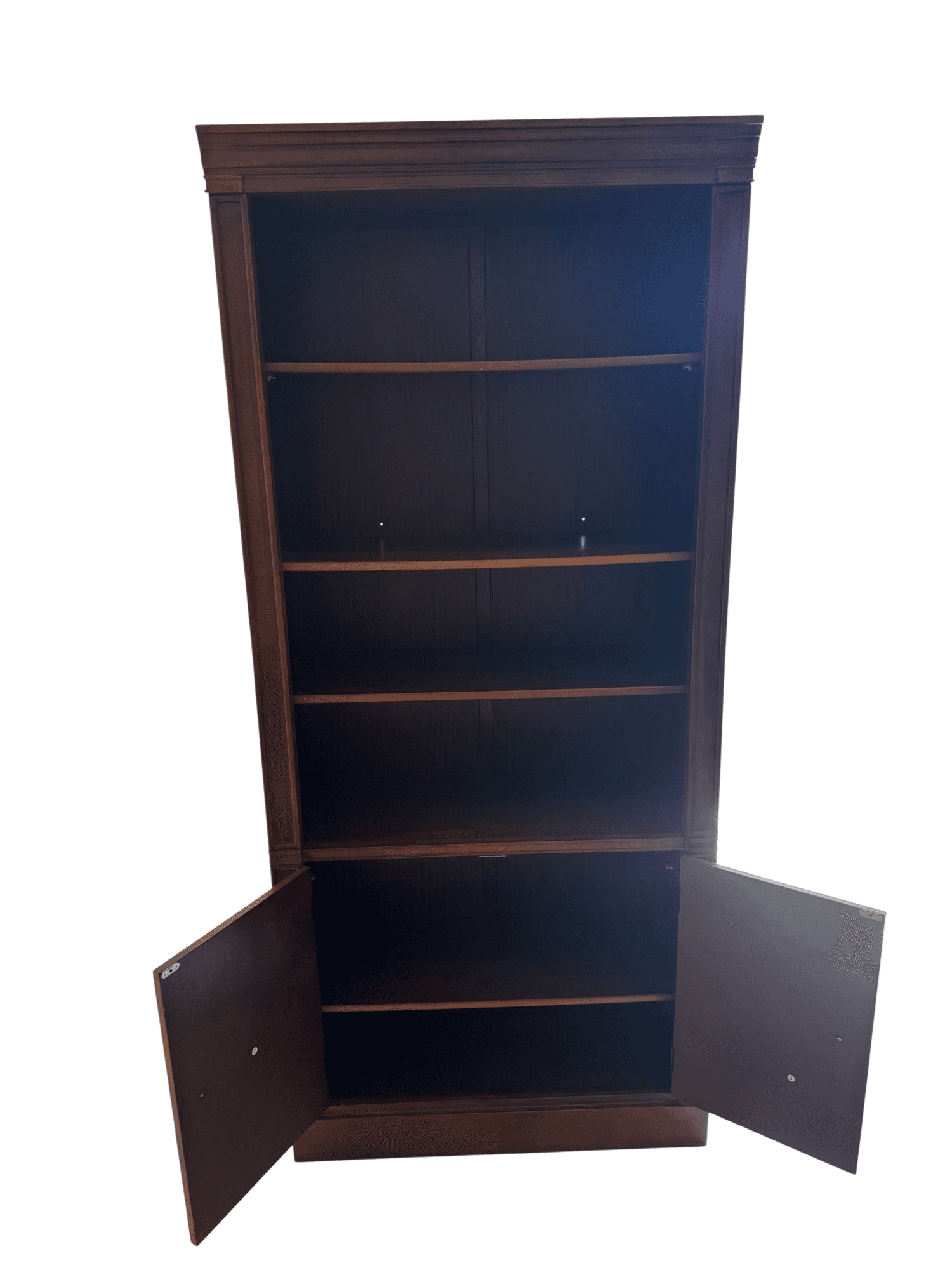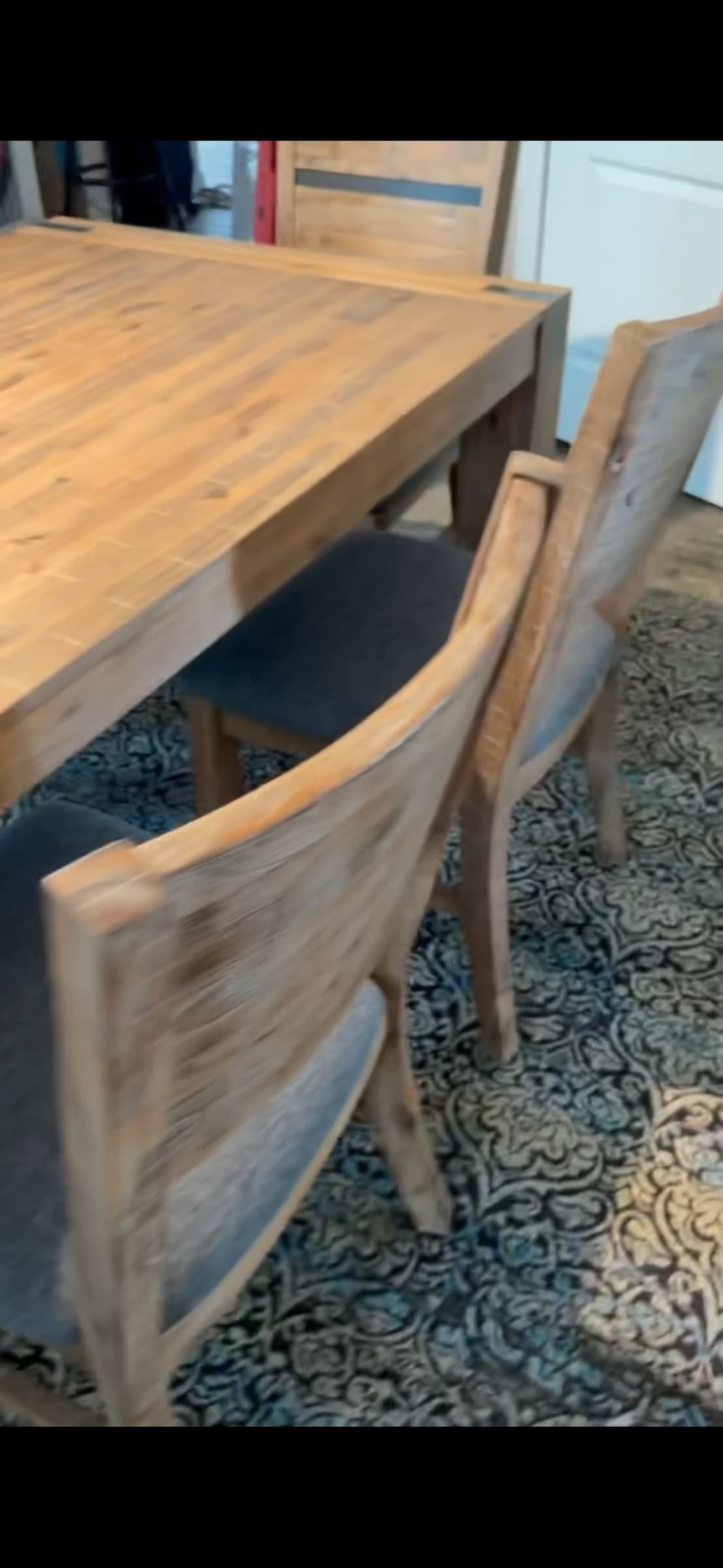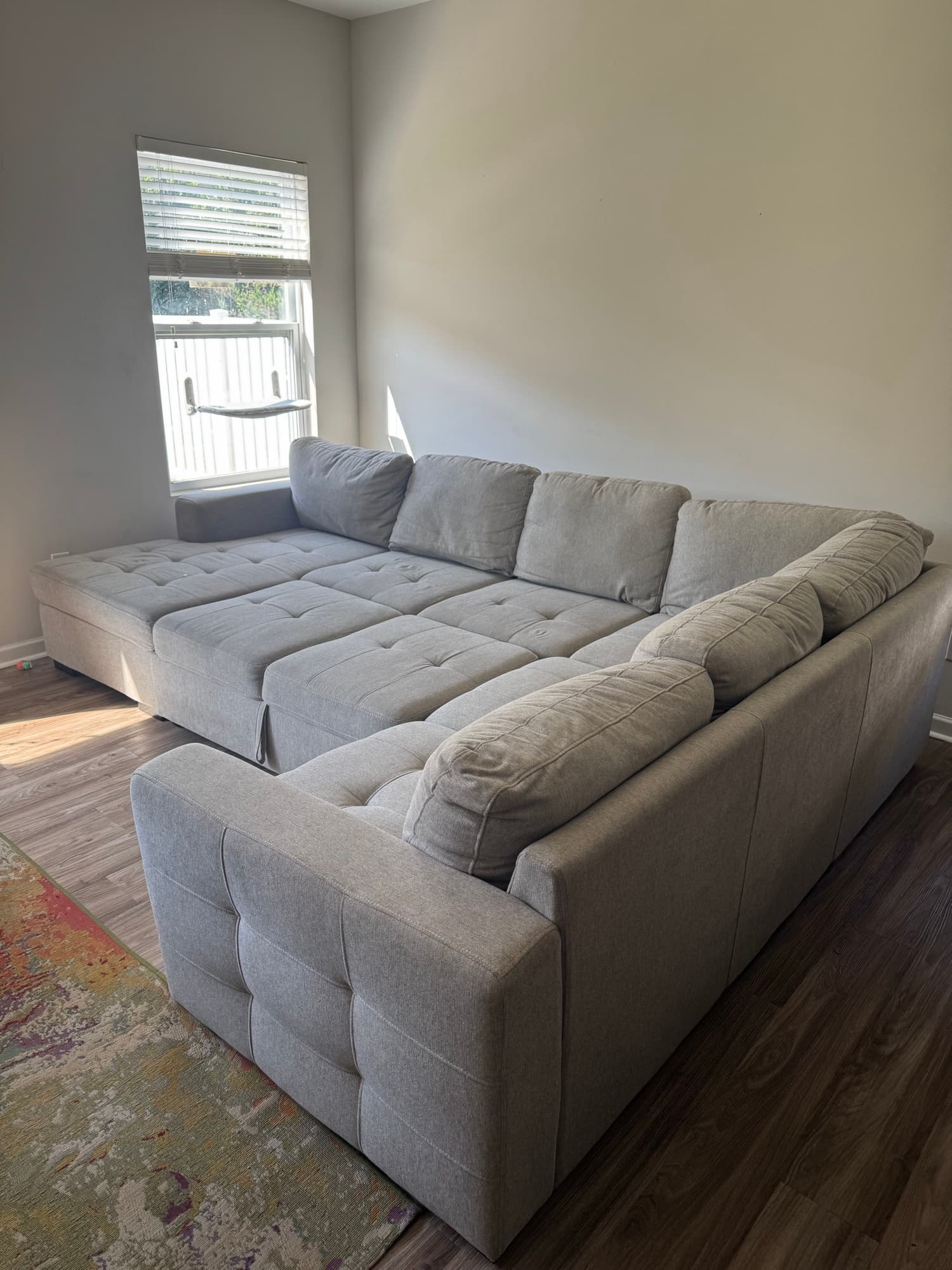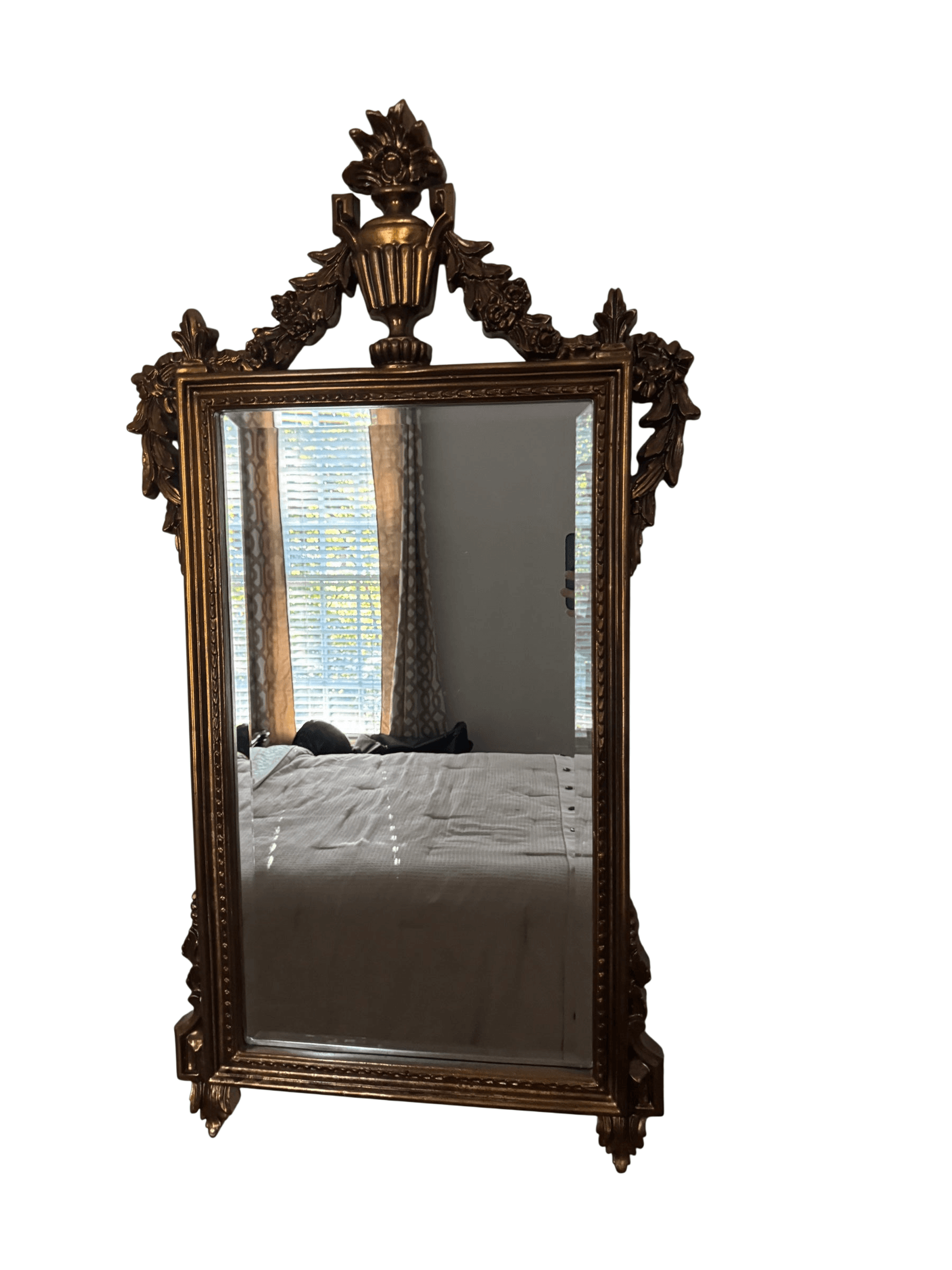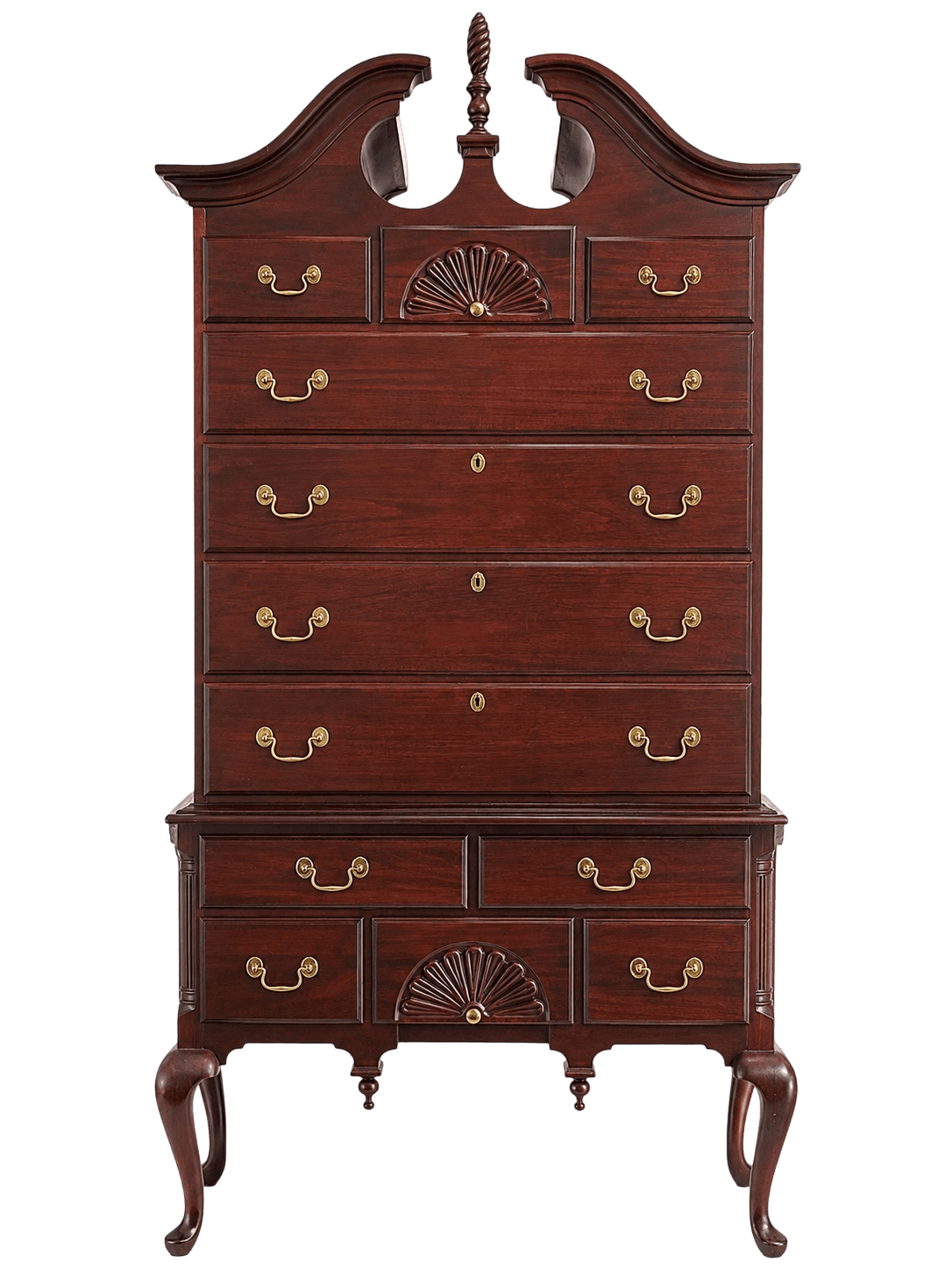

Most of what fills a house is worth less than the family hopes and more than a buyout offer for the lot, and the hard part is knowing which pieces carry the value. The report settles that argument with a record. Every room is photographed; every lot that carries value is identified and given a range; everyday contents are grouped honestly, a kitchen as one line rather than sixty; and the pieces that should not be priced from a photograph are named and set aside.
The ranges are built the way we price our own consignments: from current asking prices for comparable pieces on the channels we sell on, with completed-sale results used where they exist and are appropriate, mainly for art, antiques and collectibles above a few hundred dollars. Specialist items (jewelry, watches, coins, firearms, signed art, sterling, labeled designer furniture, instruments, vehicles) are listed without a value; a credentialed appraiser or specialist sets that.
What you do with it is yours. Some families use it to divide items among heirs. Some executors use it as the itemized basis for the household-contents line of a probate inventory. Some use it to check a cleanout crew's offer against what the house actually holds. And some go on to have VaultXL sell the contents, remotely after a review or hands-on in the Charlotte area, in which case the report becomes the plan.
How the report is built.
Photograph every room
One wide photo from the doorway of each room, a second angle for large rooms, then close-ups of labels, signatures, maker's marks and damage. The upload link works from any phone.
The sort
Every room comes back sorted into sell, specialist review, donate and discard, with a note on what deserves closer photographs.
Identification and ranges
Each lot that carries value is identified, given a condition note and a practical resale range. Everyday contents are grouped.
The specialist list
Pieces that should not be priced from a photograph are listed by name and left out of the range, so the total never pretends to be the whole house.
The written report
A summary with the range for the sellable contents, value by category, the specialist list, what is uncertain, and next steps. Forwardable to heirs, the attorney and the court.
Practical resale guidance, not a formal appraisal.
This is the line the report draws on its first page, and it matters. A formal appraisal is a USPAP-compliant opinion of value by a credentialed appraiser who has examined the property, and it is the document a federal estate tax return, an insurance schedule, a charitable deduction or a contested matter requires. The contents report is none of those. It is a practical resale guide prepared from photographs and asking prices, built to help a family decide what to sell, keep, donate or clear, and to give an executor an itemized basis for an ordinary probate inventory.
If your situation needs a formal appraisal, the report will tell you so and we will refer you to a credentialed appraiser. The two documents do different jobs; the contents report is often the one most executors actually need, and it is the one that can be started tonight from another state.
What the numbers mean.
The range for the sellable contents has a low, a midpoint and a high. The low is a quick sale. The high is everything at full asking, a ceiling and not a forecast. The midpoint is the middle of the estimated range, not a prediction of proceeds. Values are asking-price estimates; actual sale prices depend on channel, timing and condition, and the report says which items have no estimate yet and which have no photographs, because both understate the range.
What the family receives.
- ✓An organized inventory of the household's contents, photographed room by room
- ✓Identification and a practical resale range for each lot worth selling
- ✓A specialist list: pieces named, not valued, and excluded from the range
- ✓Value by category and a summary range for the sellable contents
- ✓What is uncertain and what would change the numbers
- ✓A written report that can be forwarded to heirs, the attorney and the court
Why VaultXL.
Honest about the ceiling
The high figure is everything at full asking, and the report calls it a ceiling. The total never includes the specialist pieces.
We sell what we sort
The ranges come from the channels we list on every week, which is why they hold up when the selling starts.
Flagged, not guessed
We would rather say a piece needs a specialist than put a number on the record that cannot be defended.
Starts from photographs
No visit is needed to begin. On-site cataloguing is available in the Charlotte area when the family wants us to photograph everything ourselves.
Where we serve.
From photographs, anywhere in the United States · On-site cataloguing in the Charlotte, NC area
Start with a walkthrough.
A free remote walkthrough from your photos and a video call, then a written quote before any work starts.
Frequently asked.
No. It is a resale guide: an opinion of what the contents would bring if sold now, grounded in current asking prices and, where appropriate, completed sales. It is not a USPAP appraisal, so it is not the document for a federal estate tax return, a charitable deduction, insurance or litigation. For those we refer you to a credentialed appraiser.
Executors use it as the itemized basis for the household-contents line of the inventory most courts require. What a particular court or your attorney wants attached varies by state and county, so check before you file.
Every lot that carries value is identified and given a range. Everyday contents are grouped honestly. Papers, photographs and personal effects are not valued and are left for the family. Specialist items are listed and not valued.
The sort comes back within one business day of the photographs. The full report follows within a few business days for an ordinary house; larger properties and collections take longer, and the turnaround is written into your quote.
Yes. VaultXL connects to all three. Once photos are in a project, the assistant can ask VaultXL for the contents estimate and the executor report directly, with the same not-an-appraisal basis.
It is quoted in writing before any work starts, by the number of items and whether it is built from your photographs or an on-site visit. If you later hire VaultXL to sell the contents, the report becomes the plan. We don't publish a rate card because no two houses are the same job.
Start with the photographs and the sort; that alone tells you which pieces are worth attention and which need a specialist. The full report is the next step if the family, the heirs or the court need it on paper.