
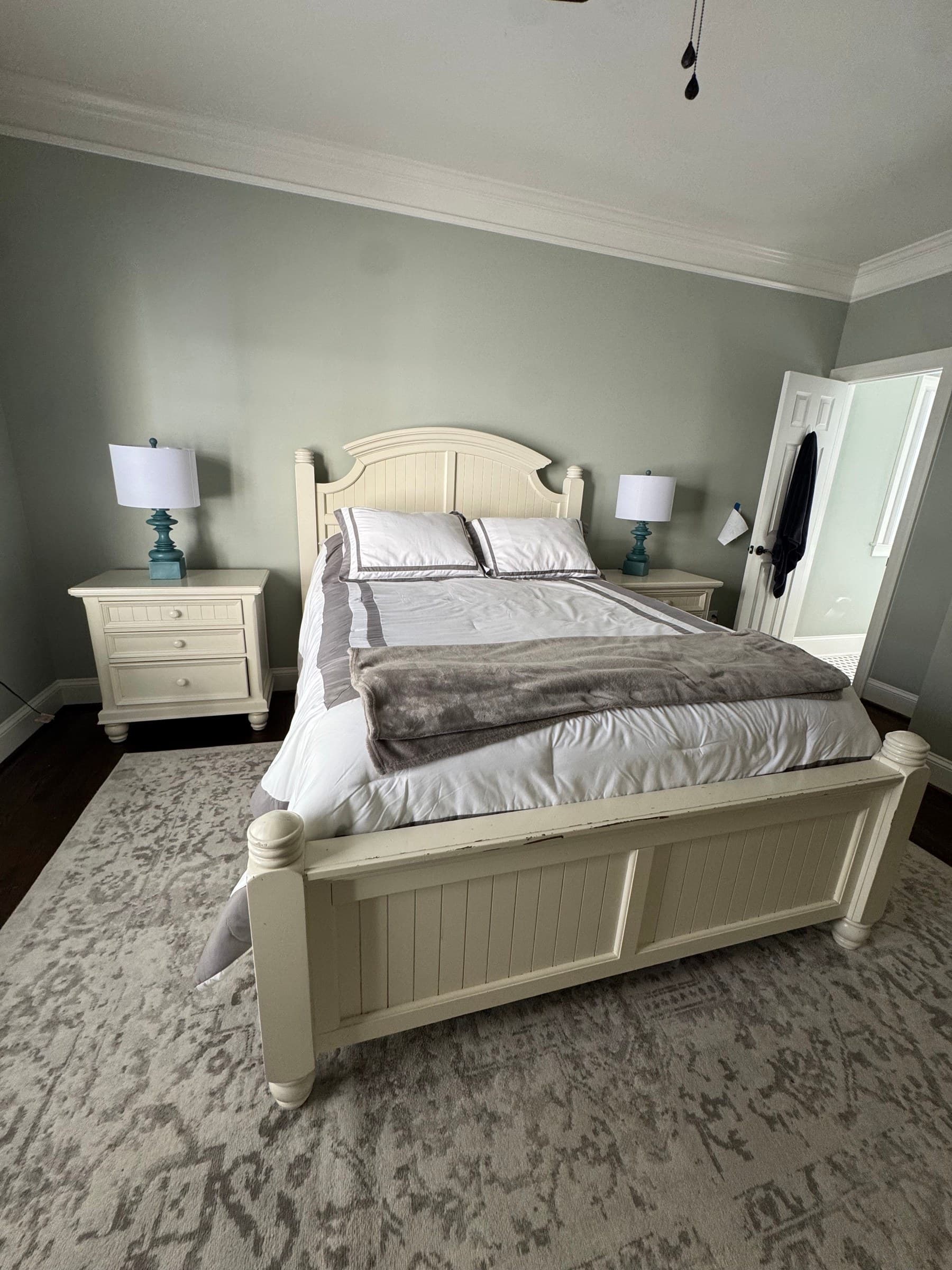
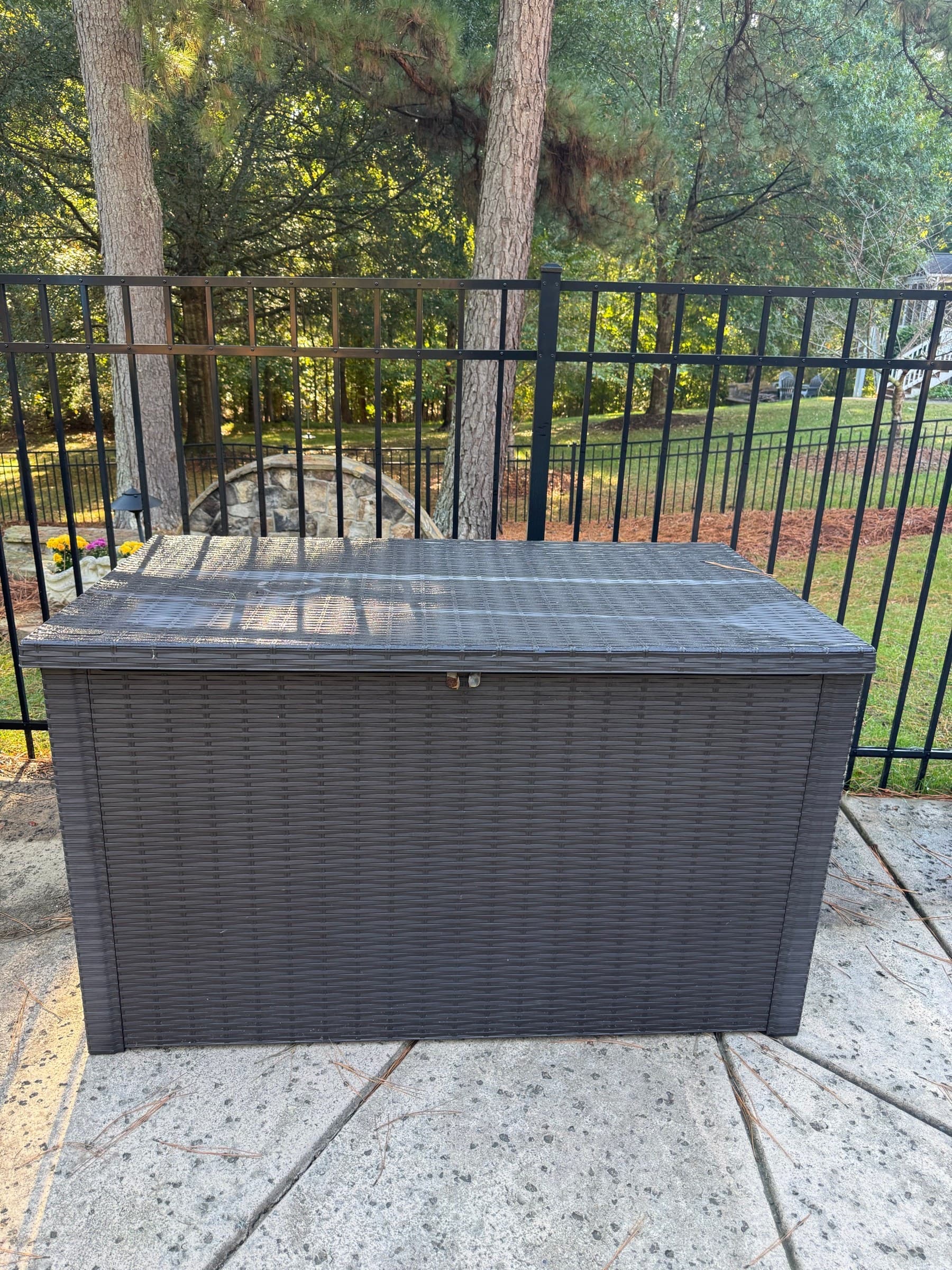
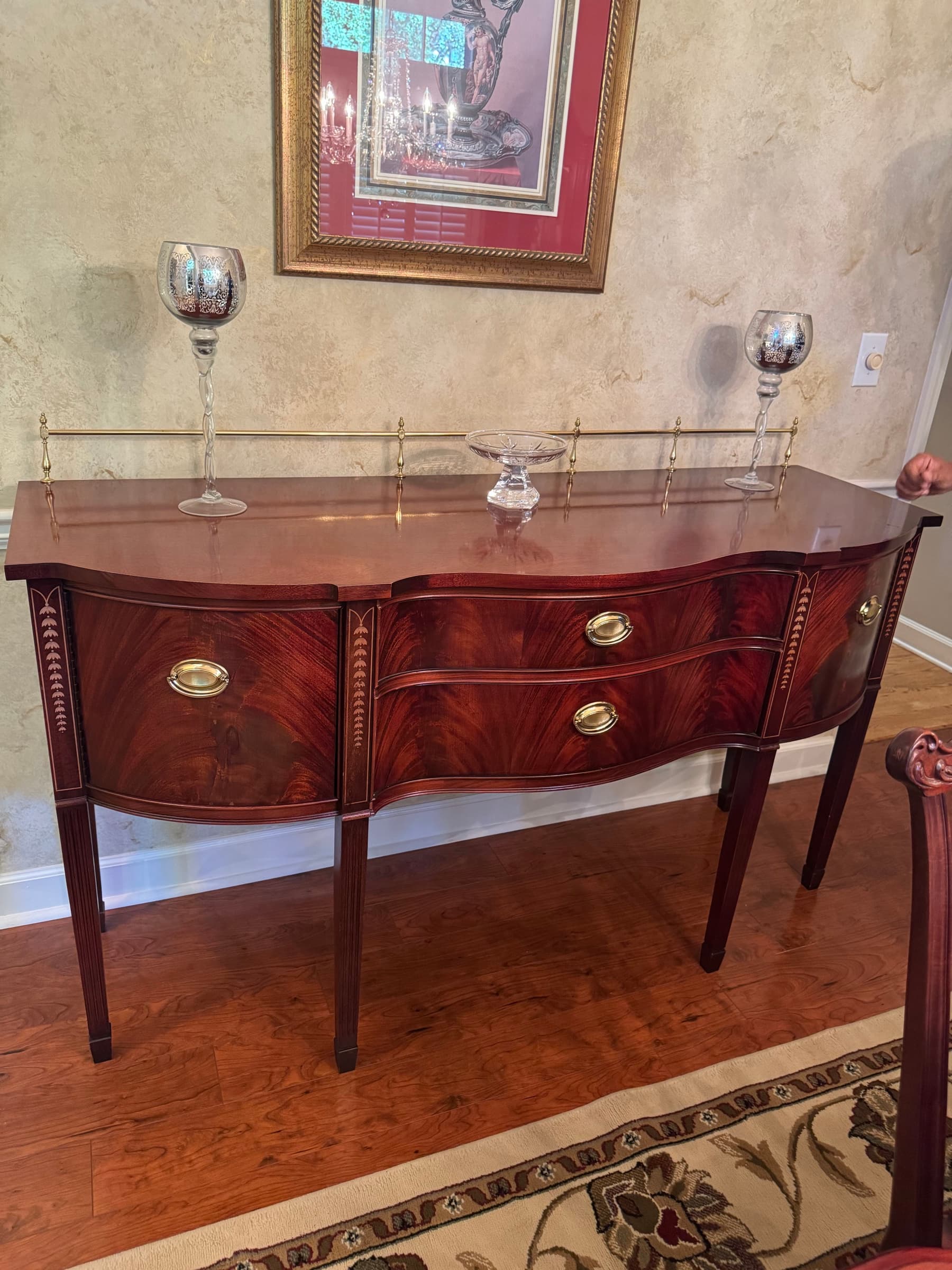
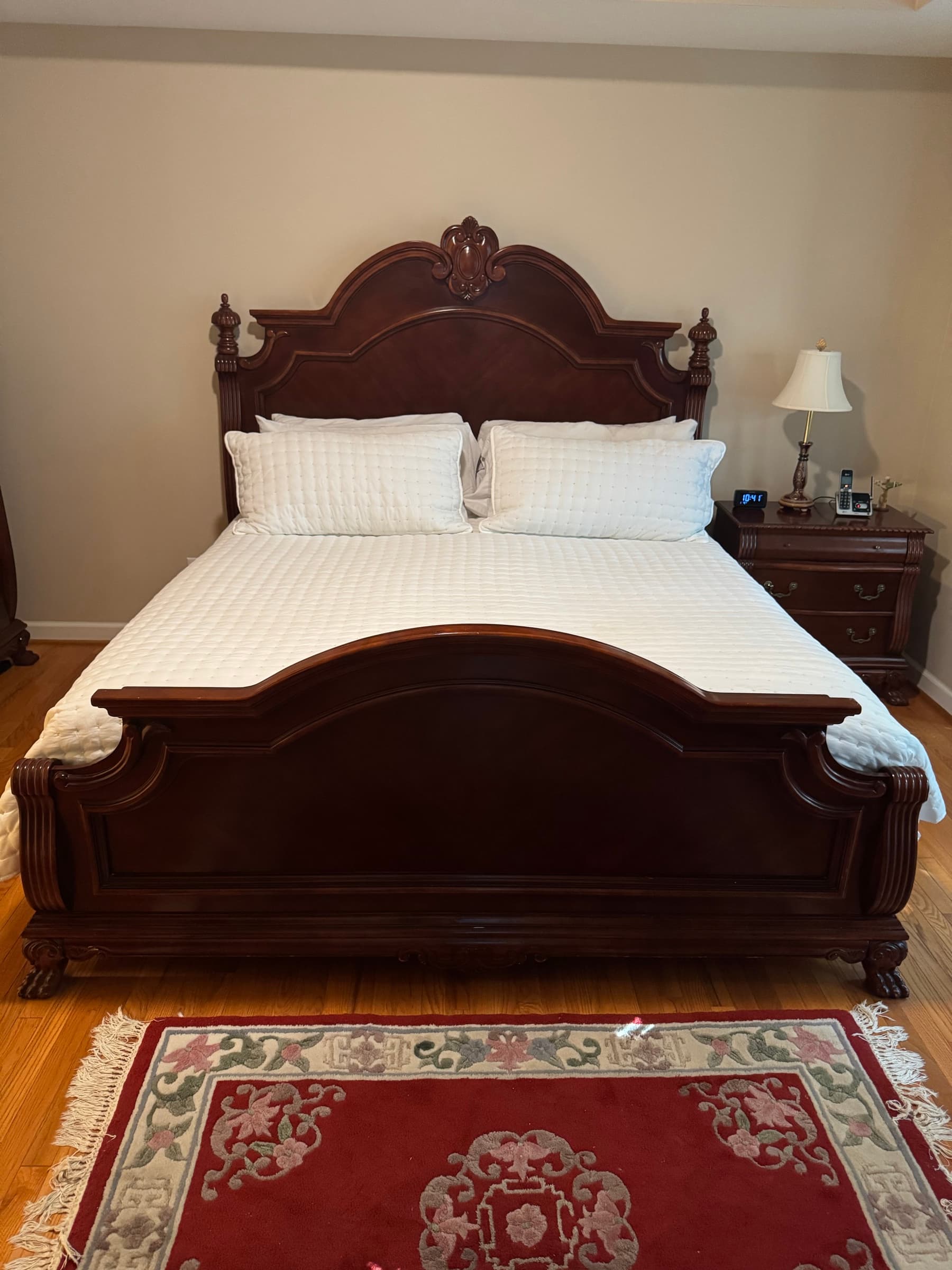
Most people clear a house once or twice in their lives, and usually at a hard time: a parent has died, a parent is moving somewhere smaller, or your own house has sold and the closing date is on the calendar. The job looks impossible from the front door. It is not. It is a few hundred decisions, made in the right order.
The order matters more than the effort. The expensive mistakes all come from doing things out of sequence: a dumpster in the driveway before anyone has looked in the drawers, a donation truck before the garage has been checked, a weekend sale that marks everything down on Sunday and leaves the rest for you. We start by looking. Then we sell, then donate, and only then remove what is left.
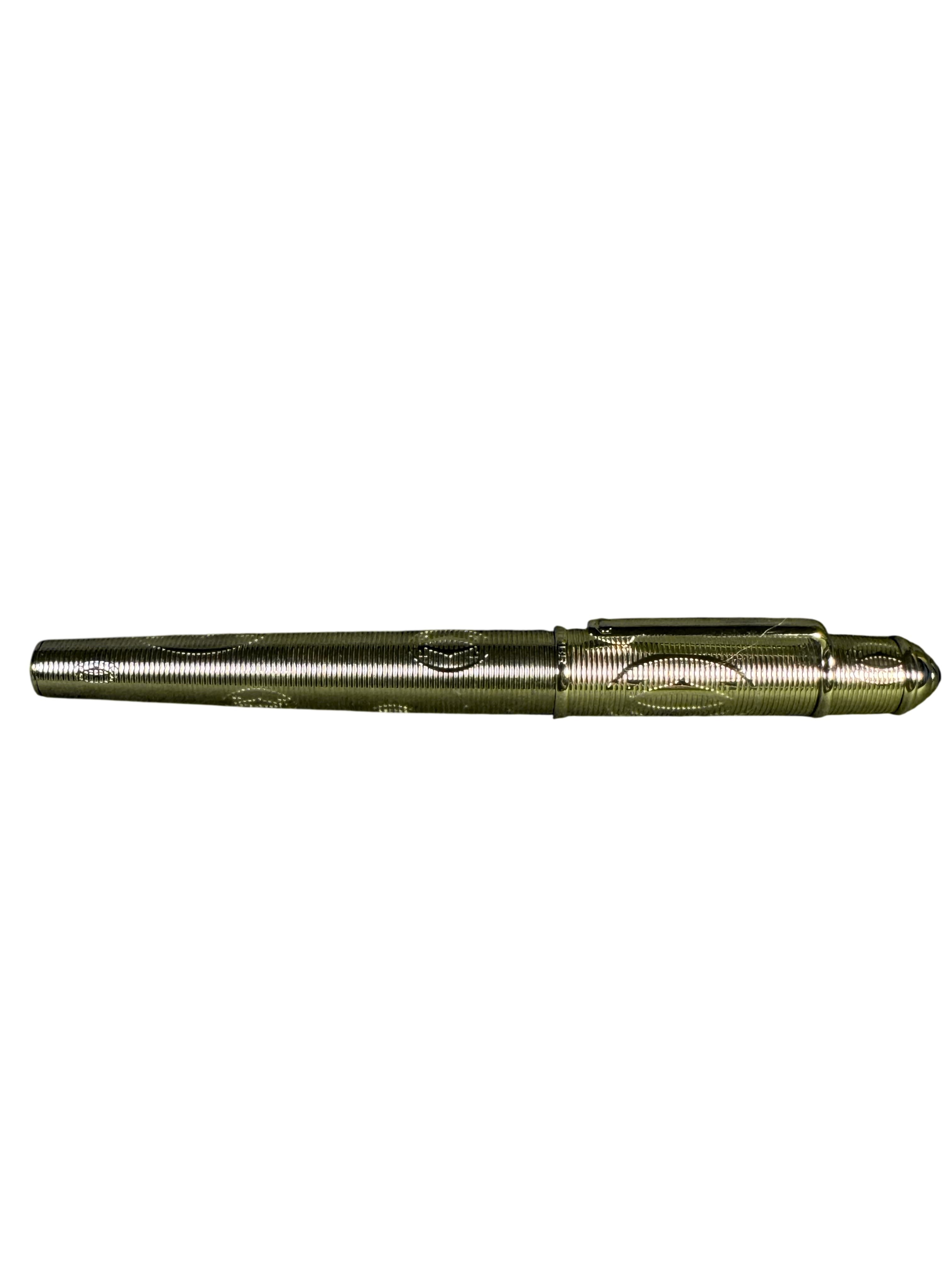
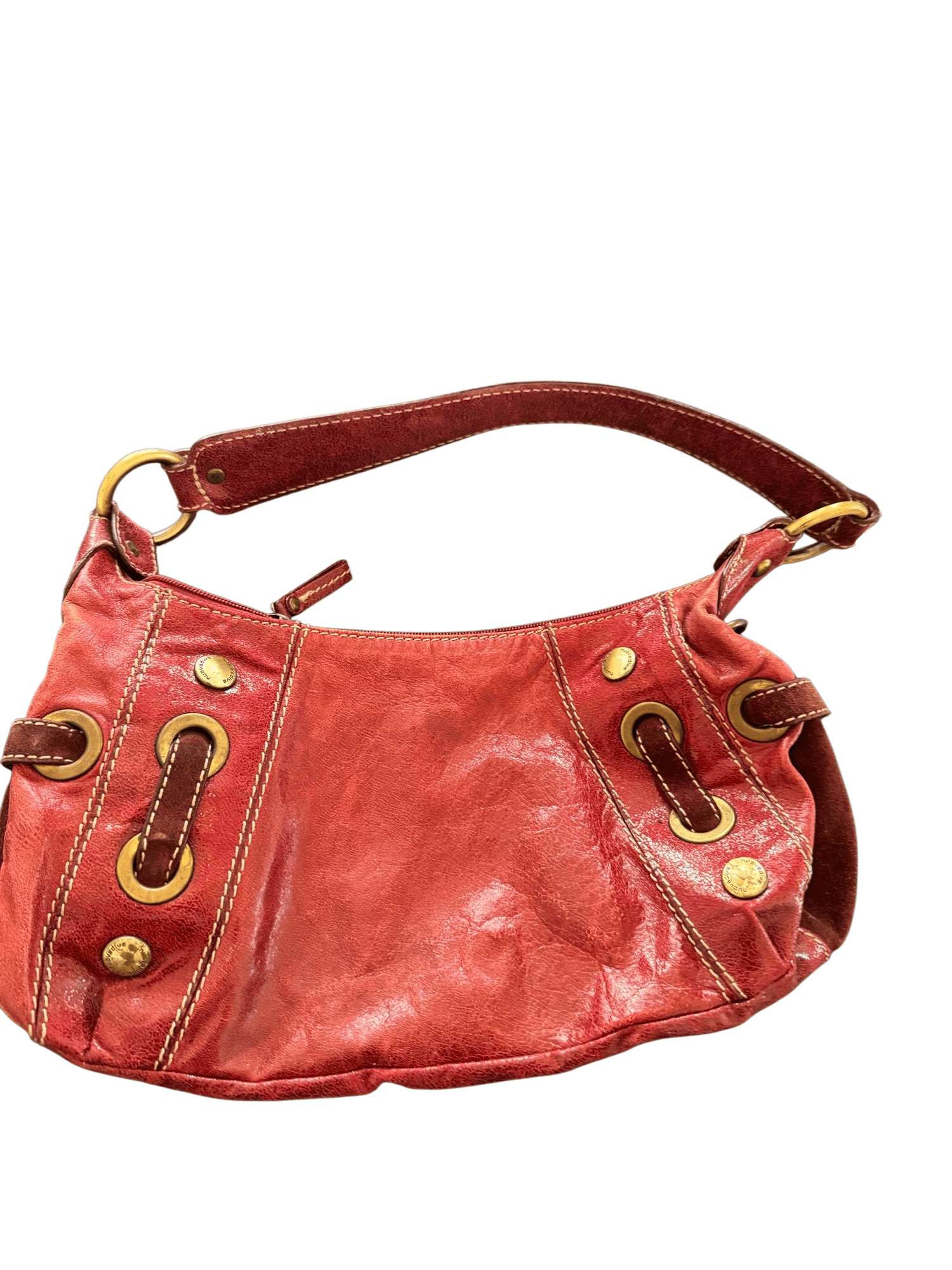
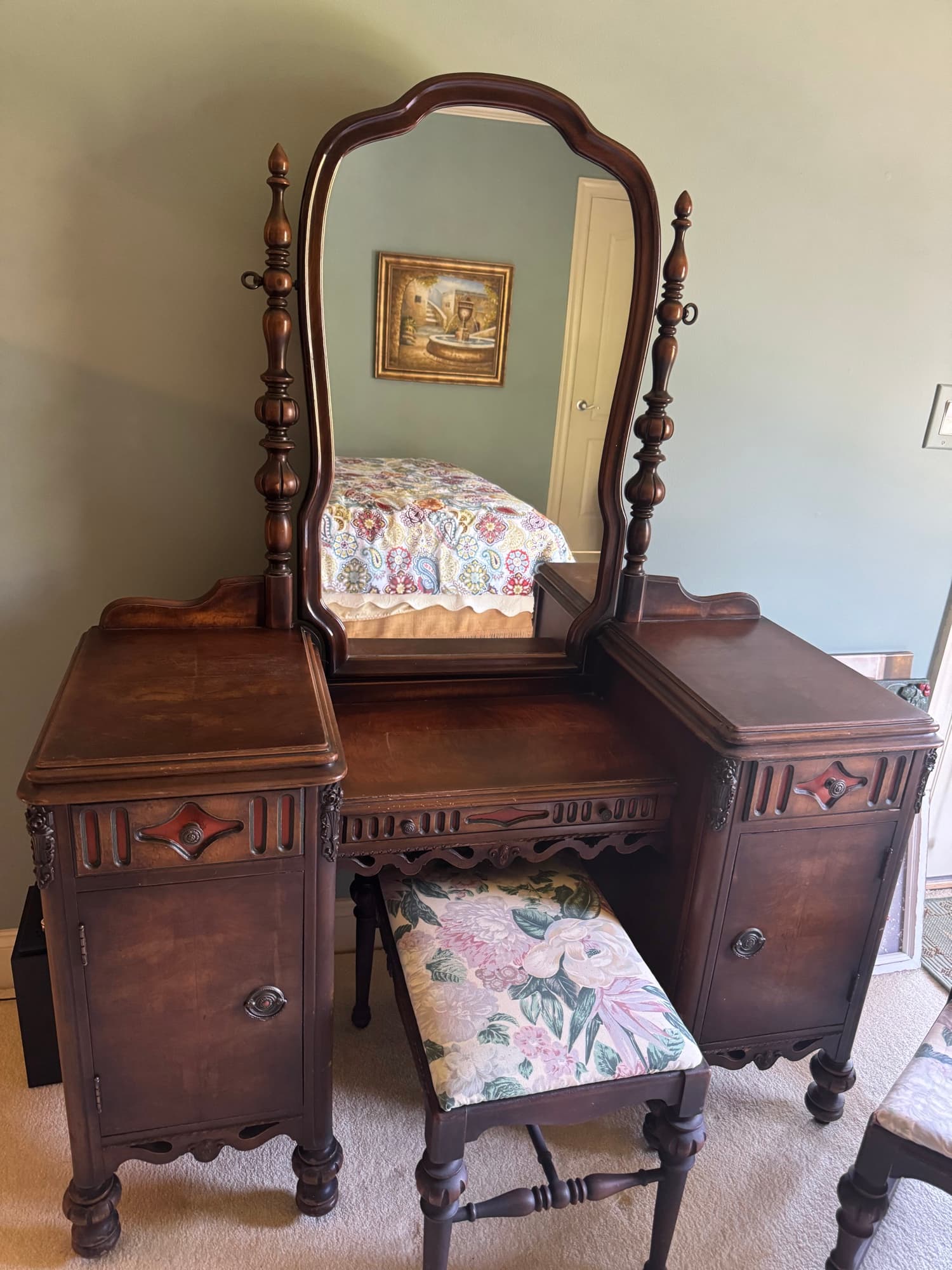
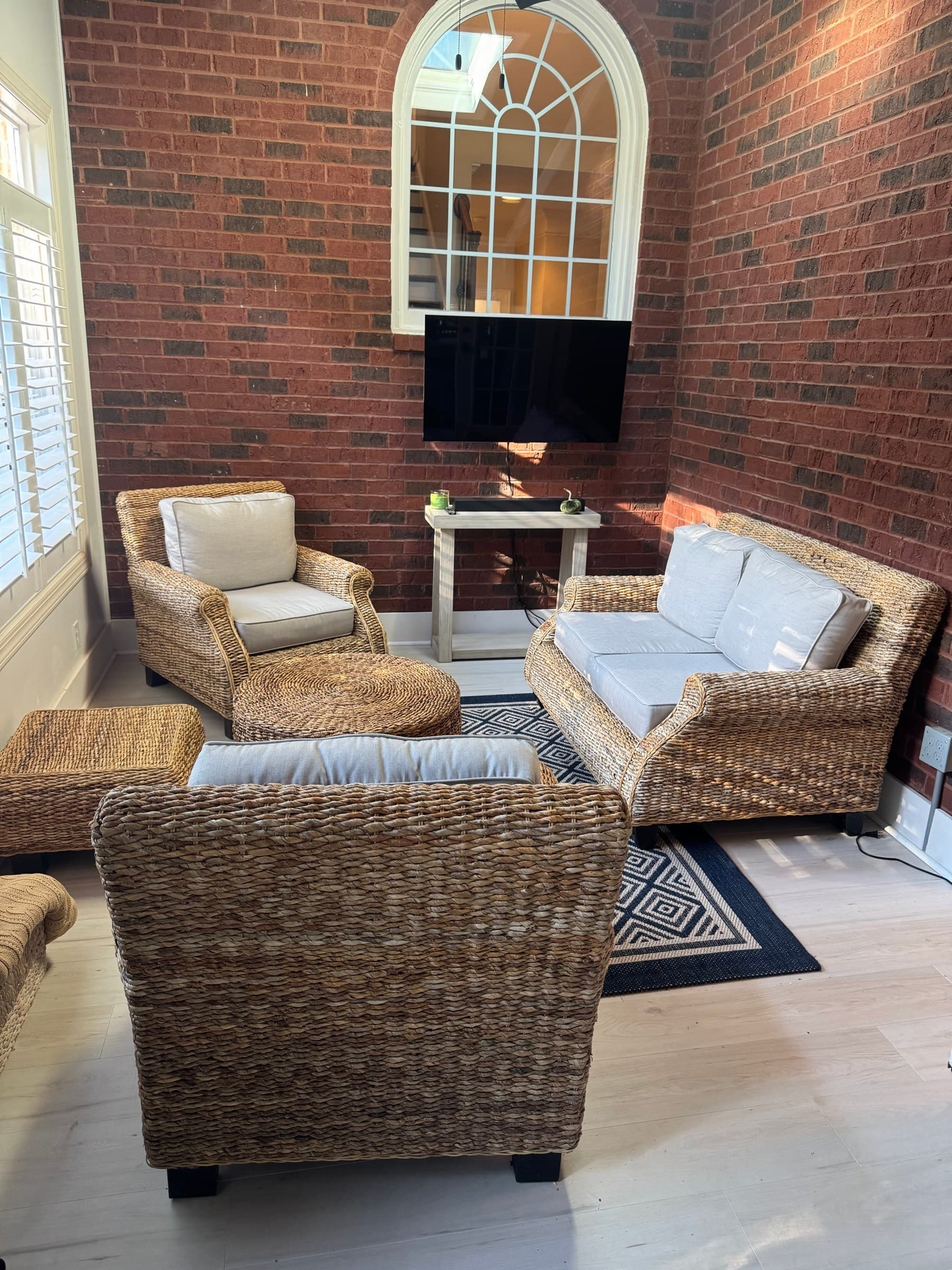
We are not asking you to take that on faith. Below are our own photographs from the houses, what four clients wrote on Google about working with us, and four written accounts of real projects. In two of them the time ran shorter partway through: one owner moved her move-out date in, and on the other the cleaning crew's start came forward. Both houses were empty on the day.
If the house came to you through an estate, the paperwork side is covered on our executor help and probate cleanout pages. If you only need the contents valued, see estate valuation for executors.
Where everything in the house goes.
Every room sorts into the same five groups. The first one is decided by the family, before we touch anything:
1.Kept by the family
Photographs, papers, jewelry boxes, and whatever each person wants. Set aside first, labeled, and never priced.
2.Sold on its own
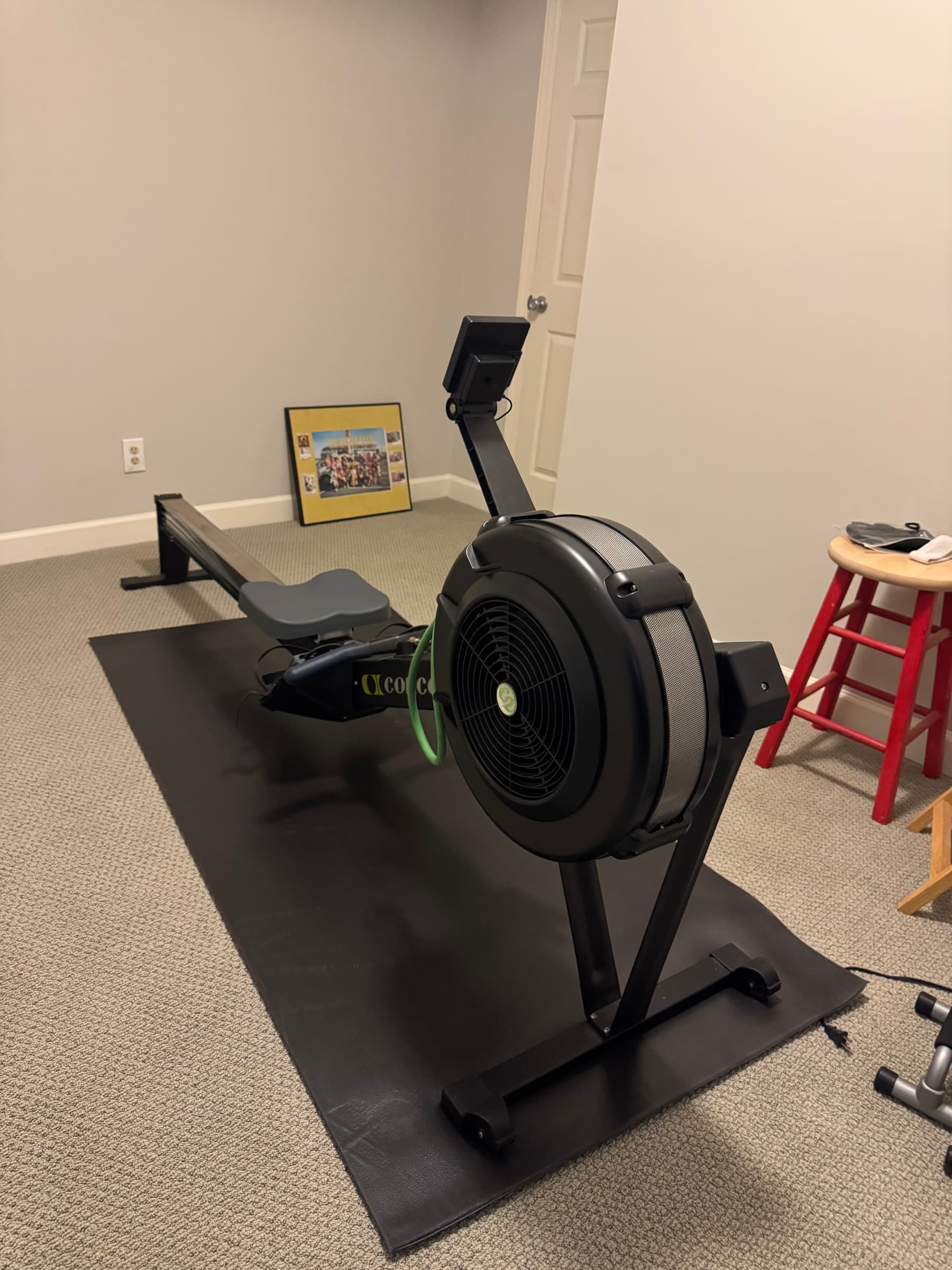
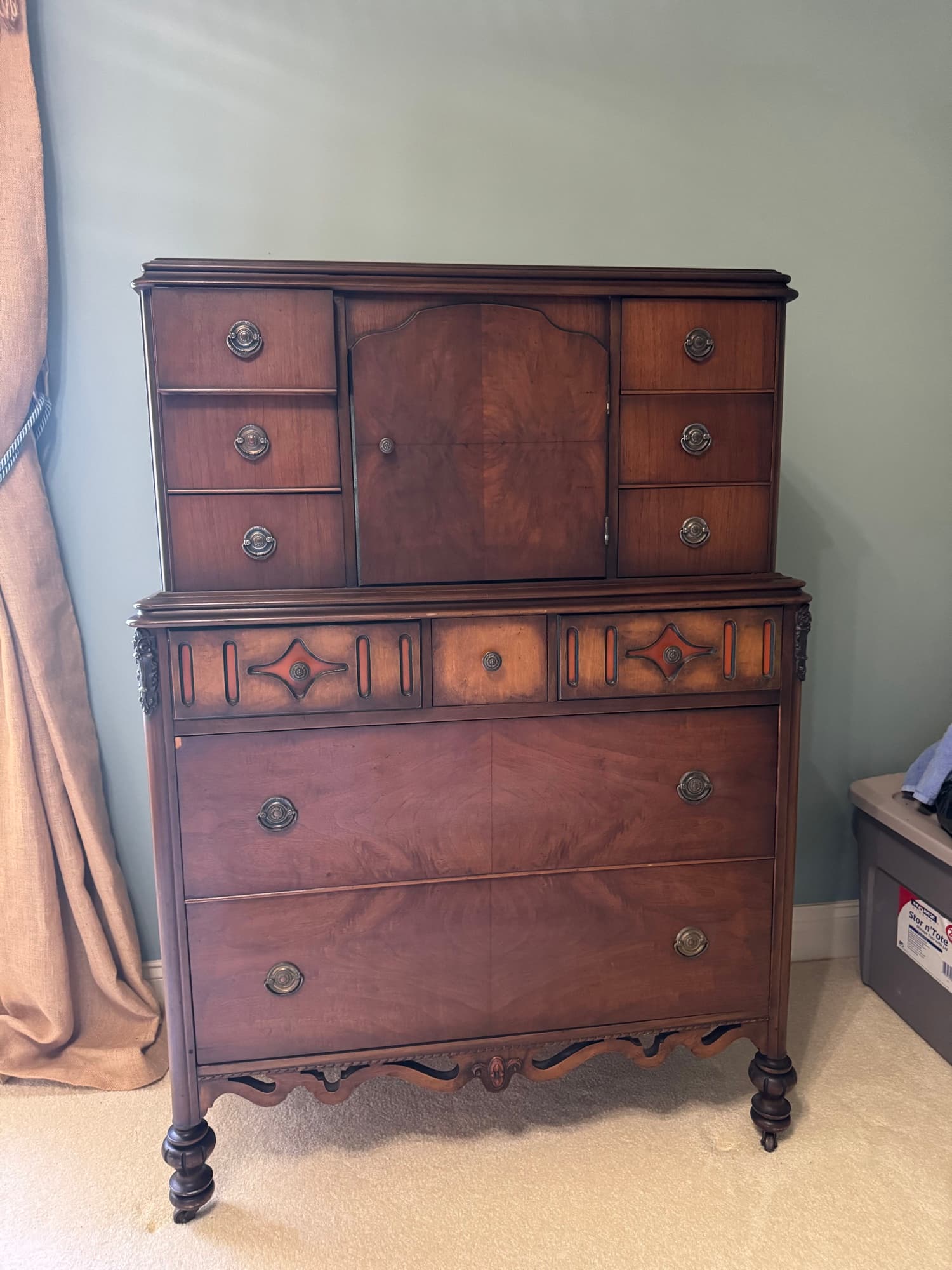
Good furniture, art, rugs, tools, exercise equipment and collections. Each gets its own photographs and its own listing, on whichever channel pays most for that kind of thing.
3.Sold as a lot
Kitchenware, books, linens, holiday boxes and garage shelves. Grouped so they sell, instead of sixty small listings nobody reads.
4.Donated
Useful things with no resale market. You get an itemized receipt.
5.Removed
What is broken, stained, expired or unsafe to pass on. This is the last load out of the house, never the first.
Fine jewelry, watches and anything that may be a valuable painting are set aside for a credentialed appraiser before anyone names a number. Real prices on real pieces are on the sold page.
How we clear a house.
Leave it as it is
Please do not sort, bag or donate anything before we see the house. The things worth the most are often the ones that look like nothing.
Free walkthrough
We walk every room, the garage, the attic and the yard with you, or with whoever holds the key if you live elsewhere. You tell us the date.
Written plan and quote
What is worth selling, what will be donated, what will be removed, what it costs, and what happens to anything still unsold on your date. You have it in writing before any work starts.
Sell where it stands
We photograph and list each piece in the house and buyers collect from there. A dresser sold out of the bedroom costs nothing to move or store. You approve every price.
Donate, then remove
Donations go out with receipts. What is left after that is removed, so nothing stays behind for you or the cleaners.
Empty on the date
You get the keys back, a record of where everything went, and an itemized statement for every sale.
Two Charlotte houses, cleared on the day.
The first was a large family home where most of what had to go was outside it: several patio sets, a sunroom of woven furniture, bedroom furniture and a Springfree trampoline. Partway through, the owner moved her move-out date in. We listed the high-ticket pieces first, sold others at the house to buyers who came to collect, took the trampoline apart ourselves in about an hour, and bought the last few unsold pieces so she had nothing left to deal with. The house was cleared on her date.
The second was a home of more than 4,000 square feet, with a couple moving to a 55-and-over community and a fixed move-out date. With a few weeks to go we wrote a one-page plan with three ways to finish, each ending with an empty house. They chose scheduled price steps with a set day on which we would buy whatever remained. Late in the job the cleaning crew's start was moved earlier. The house was empty on the morning it had to be, and the signed memorabilia and art, which reward patience, went into storage and are still being sold for them.
What if my date is close?
Tell us the date at the walkthrough and the plan is built backwards from it. A close date changes the order, not the method: the largest and most valuable pieces are listed first, prices step down on a schedule you have agreed in advance, and the plan names what happens to anything unsold on the last day. In both houses above the time ran shorter after we had started. In the first the owner moved her date in, and prices and pickups moved with it. In the second the cleaners came forward, and the schedule held because every step already had a date.
The heavy and awkward things.
Every house has a few. One two-piece lighted china hutch took four men and a truck to get out of the seller's house and into the buyer's. A painted silk screen was collected from the house and shipped to a buyer in New York City. The trampoline came apart in about an hour, following the manual's order, and we now offer Springfree take-down on its own. Anything else that size, a piano, a safe or a pool table, gets the same two questions at the walkthrough: who will buy it, and how does it leave.
What we do not do.
We do not run your move. If you are taking furniture to a new home, you book the mover, and we work around that day. We do not list or sell the house itself; that stays with your realtor. And we do not offer haul-everything junk removal, because the point is to look for value before anything leaves. If all you need is a few pieces sold, see selling furniture in Charlotte.
Clearing a house from another city.
Plenty of the families we work for do not live in Charlotte. A relative, a neighbor or the realtor lets us in, you approve prices by phone or through the portal, and you see photographs as the rooms empty. One owner was abroad for a year while we sold his largest pieces in place and the rest from storage. If the house is outside the Charlotte area, remote estate help starts from your photos instead.
What the family receives.
- ✓A free walkthrough of the whole property, with no decisions needed in the room
- ✓A written plan and quote before any work begins, built back from your date
- ✓A photographed inventory of everything entering resale
- ✓Your approval on every price before it is listed
- ✓85% of the net sale price of everything sold, after sales tax and marketplace fees
- ✓Itemized donation receipts
- ✓Removal of what does not sell or donate
- ✓An empty, broom-clean house, a record of where everything went and an itemized statement
Why VaultXL.
Proof you can check
The photographs, the reviews and the sold prices on this page are real, and each links to its source. Read the Google reviews on our profile and the sold records item by item.
A plan that ends on your date
The written plan says what happens to anything unsold on the last day, so the finish does not depend on luck.
Sold from the house
Furniture sells where it stands and buyers collect from there, so you are not paying to move or store pieces that are about to leave anyway.
Value first, removal last
Nothing is hauled until it has been checked for value. The last load out is what is left, not what was in the way.
One person to call
You deal with one project lead from the walkthrough to the keys, and every sale is on a statement you can read line by line.
Where we serve.
Charlotte · Myers Park · Eastover · SouthPark · Dilworth · Cotswold · Plaza Midwood · Ballantyne · Providence · Matthews · Mint Hill · Huntersville · Cornelius · Davidson · Weddington · Waxhaw · Gastonia
Start with a walkthrough.
A free walkthrough in your home, then a written quote before any work starts.
Frequently asked.
Yes. We cleared a Charlotte home of more than 4,000 square feet and a second large family home, and both were empty on the day even though the time ran shorter on each after we started. We sell what has value, donate what is useful and remove the rest.
It depends on how full the house is and how much of it is worth selling, so we do not quote a number of days before the walkthrough. Selling is what takes time; sorting and removal are quick. With a close date we list the most valuable pieces first and step prices down on an agreed schedule, and the written plan names what happens to anything unsold on your date.
The written plan decides that in advance. Unsold pieces are donated with a receipt, returned to you or removed, whichever you choose. On some projects the plan has ended with VaultXL buying what remained. We never charge commission on something that did not sell.
Set aside what the family is keeping, and leave the rest as it is. Families often discard or donate the valuable things by accident, because tools, older electronics and plain-looking furniture can be worth more than the formal dining set.
Nearly everything. Selling comes first, then donation, then removal of what is left, so the house is handed back empty and broom-clean. Paint, chemicals and other hazardous waste have to go to a county drop-off center, and we tell you at the walkthrough what that covers. We do not offer removal on its own.
Every house is quoted in writing after a free walkthrough, before any work starts. The quote sets a non-refundable setup fee set in your written quote, and there is a 15% commission on what sells, after sales tax and marketplace fees. You keep 85%.
Generally once you have authority to act for the estate, which in North Carolina comes from the Clerk of Superior Court. Ask the estate's attorney before anything is sold. We can do the walkthrough and the written inventory first, so the plan is ready when you are.
Yes. The reviews are Google reviews from clients we valued, sold or liquidated household contents for, quoted in their own words and trimmed only for length. The photographs are ones we took in clients' homes, and the sold prices come from our sales records.